
Elevator and lift cab sheet metal fabrication is a specialised branch of manufacturing that combines precision cutting, bending, and finishing to produce the wall panels, ceiling assemblies, and decorative trim found inside modern elevators. This guide covers the complete production workflow — from material selection and machine specifications to tolerances, secondary operations, and quality standards applied in 2026.
What Is Elevator Cab Sheet Metal Fabrication?
Elevator cab sheet metal fabrication is the process of manufacturing interior enclosure panels for passenger and freight elevators using CNC sheet metal working machines. The result is a precisely engineered shell that forms the walls, ceiling, floor frame, and decorative trim of an elevator car — all fabricated to tight tolerances that ensure smooth door operation, quiet travel, and aesthetic interior finishes.
A typical elevator fabrication shop produces panels from stainless steel, coloured steel, or aluminium sheets ranging from 1.0mm to 3.0mm in thickness. The production process spans five stages: cutting, bending, secondary operations (punching and drilling), surface treatment, and final assembly. Each stage requires dedicated equipment and quality checks.

Machines Used in Elevator Cab Fabrication
The core production line for elevator cab sheet metal panels relies on four machine categories, each serving a distinct stage of the workflow. The table below compares their roles and specifications:
| Machine Type | Function in Elevator Cab Production | Typical Spec | Key Advantage |
|---|---|---|---|
| CNC Press Brake | Bending walls, ceilings, and trim panels to exact angles | 100-300 tonnes, 3000-4000mm bed, CNC back gauge ±0.01mm | High precision multi-step bending sequences |
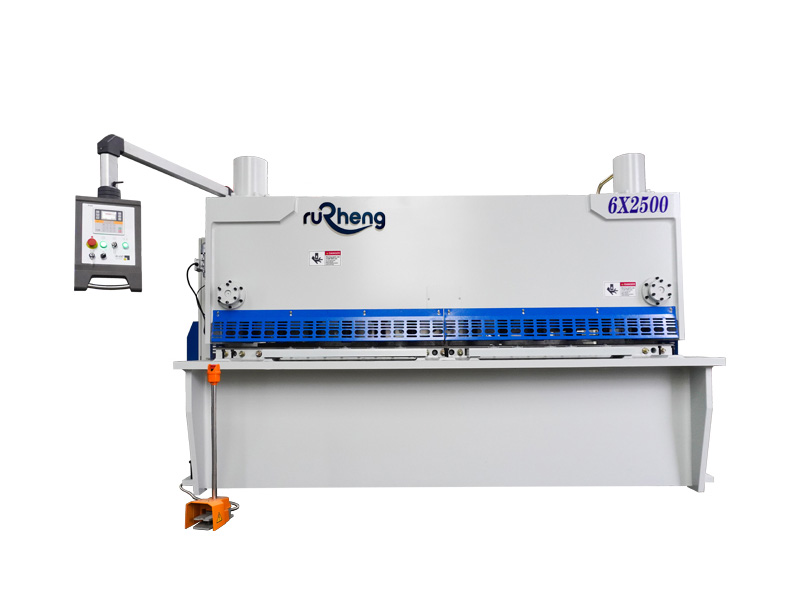
| Guillotine Shear / Swing Beam Shear | Cutting sheets to panel blank dimensions | 6×2500mm to 12×3200mm cutting capacity | Fast, square edge cuts for large panels |
| CNC Turret Punch Press | Punching ventilation slots, mounting holes, louvers | 20-30 tonnes, 120-200 stations, 5-15mm max hit thickness | Complex hole patterns without deburring |
| Fiber Laser Cutting Machine | Decorative cut-outs,檀宫 patterns, precision contours | 1-6kW fiber laser, 3000×1500mm to 6000×2000mm bed | No tool wear, minimal heat-affected zone |
Material Selection: Gauge, Grade & Finish
Material choice directly affects every downstream decision — from press brake tonnage to finishing method. The two most common materials for elevator cab panels are stainless steel (for hygiene, durability, and aesthetics) and galvanized steel (for cost-effective painted interiors).
| Material | Common Gauge(s) | Thickness (mm) | Typical Application |
|---|---|---|---|
| Stainless Steel 304 | 18 GA, 16 GA, 14 GA | 1.2 / 1.5 / 2.0 | Wall panels, ceilings (commercial buildings) |
| Stainless Steel 316 | 18 GA, 16 GA | 1.2 / 1.5 | Marine/coastal elevators (salt-resistant) |
| Galvanized Steel DX51D | 18 GA, 16 GA, 14 GA | 1.2 / 1.5 / 2.0 | Painted cabs, freight elevators |
| Aluminium 5052 | 14 GA, 12 GA | 2.0 / 2.5 | Lightweight cabs, observation elevators |
Step-by-Step Fabrication Workflow
Step 1: Sheet Cutting
The process begins with cutting raw sheets to panel blanks. For production volumes exceeding 50 panels per day, a hydraulic guillotine shear is the most efficient choice — it delivers squaring accuracy of ±0.5mm across a 3-metre cut length. The machine's programmable back gauge positions each cut with repeatability of ±0.1mm, reducing material waste from inaccurate sizing.
For decorative cut-outs or complex contours (e.g., ceiling light recesses), a fiber laser cutting machine takes over after initial blanking. The laser produces smooth, burr-free edges without mechanical contact, which is critical for maintaining the integrity of corrosion-resistant surfaces.
Step 2: CNC Press Brake Bending
Bending is the most technically demanding stage of elevator cab fabrication. A single wall panel may require 8-20 individual bends to achieve the final geometry — including flanges for fastening, return lips for panel joints, and formed features for lighting channels. A torsion-synchro press brake (with both ram ends actively controlled) is essential for panels wider than 1.5 metres, where beam deflection would otherwise cause angle inconsistency between left and right bends.
Typical bending sequence for a standard 2.1m × 2.1m elevator side wall panel:
- Load sheet blank onto front gauge stops
- Bend all edge flanges (90° return lips for panel joining)
- Flip panel — bend rear edge flanges
- Form top and bottom edge bends
- Program compensation for springback (1°-3° for 304 stainless, 1.5°-2.5° for aluminium)
- QA check with template gauge before unloading
Springback Note: Austenitic stainless steel 304 recovers approximately 1-3° after bending. Always overbend by the compensating angle. Most modern CNC press brakes include a material springback compensation mode that automatically adjusts ram depth based on the selected material database.
Step 3: Secondary Operations — Punching & Drilling
Practical elevator cab panels require dozens of holes and slots for ventilation grilles, handrail brackets, junction box mounts, and door operator linkages. A CNC punching machine handles these quickly: a typical 1.5mm stainless wall panel with 24 holes and 4 ventilation louvres completes in under 2 minutes on a 30-tonne turret machine.
For low-volume or prototype work, drilling on a magnetic drill press or using a CNC machining centre is more flexible. However, turret punching remains the production standard for panels fabricated in quantities of 10 or more identical units per batch.
Step 4: Surface Finishing
Surface finishing is what distinguishes an elevator cab from ordinary sheet metal work. Three finishes dominate 2026 production:
- No. 4 Brushed Finish: Produced by sequential sanding with 120 → 180 → 220 → 320 grit belts (orScotch-Brite pads), applied perpendicular to the rolling direction. This is the standard finish for hotel and office building elevators.
- Mirror Polishing (No. 8): Achieved through progressive buffing with progressively finer compounds (e.g., 80-grit compound → 120 → 240 → chrome oxide). Used in luxury elevator interiors.
- Powder Coating: Applied after iron phosphate degreasing and pretreatment. Typical film thickness 60-80μm. RAL 9006 (white aluminium) and RAL 7035 (light grey) are common commercial colours.

Tolerances & Quality Standards
Elevator cab panel tolerances are governed by ASME A17.1/CSA B44 (North America) and EN 81-20 (Europe). The critical dimensions and their tolerances are:
Because elevator panels are visible assemblies, bending accuracy must be planned before production. Use the press brake accuracy and tolerance guide to set angle, flange and repeatability targets, then connect the setup to a controlled press brake bend sequence.
| Dimension | Tolerance | Standard Reference |
|---|---|---|
| Cut length (± per metre) | ±0.5mm | EN 81-20 §5.3.2 |
| Bend angle (±) | ±0.5° | ASME A17.1 Rule 204.1 |
| Hole position (±) | ±0.2mm | EN 81-20 §5.4.1 |
| Panel flatness (max) | 1mm/m² | General manufacturing |
| Diagonal difference (max) | ±1.0mm | Shop floor standard |
Typical Elevator Cab Panel Specifications
Below are the most common production specifications for a standard commercial building passenger elevator cab, based on a 2,100mm × 2,100mm interior clear opening:
| Panel Component | Dimensions (mm) | Material | Bends |
|---|---|---|---|
| Side Wall Panel (×2) | 2100 × 2100 | SS 304, 1.5mm | 16 bends per panel |
| Back Wall Panel | 2100 × 2100 | SS 304, 1.5mm | 12 bends |
| Ceiling Panel | 2050 × 2050 | SS 304, 1.2mm | 8 bends |
| Front Transom Panel | 2100 × 400 | SS 304, 1.5mm | 6 bends |
| Threshold/Floor Frame | 1100 × 100 | SS 304, 3.0mm | 4 bends |
Production Tip: Group panels by material and thickness to minimise tool changes on the press brake. Running all 1.5mm stainless panels consecutively before switching to 1.2mm aluminium reduces setup time by 30-40% on typical 4-hour production runs.
Press Brake Selection for Elevator Cab Production
If you are equipping or upgrading an elevator fabrication shop, the press brake is the most impactful machine purchase. Key selection criteria:
- Tonnage: For 1.5mm stainless panels 2.1m wide, a minimum 100-tonne / 3000mm machine is required. Multi-panel setups (two side walls simultaneously) need 200-tonne-plus.
- Back Gauge: Look for multi-axis CNC back gauges (X, R, Z1, Z2) with ±0.01mm repeatability. The Z1/Z2 axes compensate for crown and maintain parallel rear gauges across wide beds.
- Crowning: Mechanical or dynamic crowning is essential for wide panels to counteract ram deflection under load.
- Tooling Library: Pre-programmed tooling databases for stainless steel and aluminium reduce programming time and prevent die damage from incorrect pressure settings.
- Machine opening: Check throat depth, daylight and stroke when panels include deep returns, lighting channels or tall tooling.

Frequently Asked Questions
What machines are used for elevator cab sheet metal fabrication?
The primary machines for elevator cab sheet metal fabrication include CNC press brakes (for bending panels to exact angles), guillotine shears or swing beam shears (for cutting sheets to size), CNC turret punch presses (for creating ventilation slots and mounting holes), and fiber laser cutters (for decorative patterns and complex contours). A typical production line also includes deburring machines, sheet levellers, and powder coating or brushing equipment for surface finishing.
What thickness of sheet metal is used for elevator cab panels?
The most common material gauge for elevator cab panels is 16 GA (1.5mm / 0.0598") for walls and ceilings, and 18 GA (1.2mm / 0.0478") for decorative trim panels. Stainless steel elevator cars typically use 1.5mm or 2.0mm (14 GA) stainless steel sheets. For freight elevators, heavier gauges up to 3.0mm (10 GA) may be required for wall protection plates.
How do you bend stainless steel for elevator cab panels?
Stainless steel elevator panels require careful press brake setup: use a acute gooseneck punch (30°-45°) to avoid marring the surface, select a V-die opening 6-8× the material thickness, and apply lubrication to prevent die galling. For 1.5mm stainless, a V50 die with 60-80 tons/metre is typical. Springback compensation of approximately 1-3° should be factored in for austenitic stainless grades such as 304 and 316.
What tolerances apply to elevator panel fabrication?
Commercial elevator cab fabrication typically follows ±0.5mm per linear metre for cut and bent dimensions. Flatness tolerance for decorative panels should not exceed 1mm/m². Hole position tolerances are generally ±0.2mm. These tolerances align with ASME A17.1 safety standards for elevator manufacturing and EN 81-20 for European markets.
What finishes are used on elevator cab sheet metal panels?
The three most common finishes for elevator cab panels are: #4 brushed stainless steel finish (directional satin), mirror polishing (for luxury elevator interiors), and powder coating in RAL colours (for corporate branding). The #4 brushed finish is achieved by sequential sanding with 120→180→220→320 grit abrasive belts, while powder coating requires proper degreasing and iron phosphate pretreatment for adhesion.
Ready to Source Elevator Fabrication Equipment?
For press brake sizing and process planning, compare this workflow with our press brake force calculation guide, bend allowance and K-factor guide, and sheet metal fabrication cost reduction guide.
Rucheng Technology supplies CNC press brakes, shears, and CNC punching machines optimised for elevator cab sheet metal production. Our equipment ships to 80+ countries with installation support included.
Request a Quote »Plan the complete sheet metal production line
Most application projects need cutting, bending and downstream assembly to work together. Start with the fiber laser cutting machine range for blanks and profiles, then match the parts with the right press brake machine for bending.
- Laser power selection helps size cutting capacity by material and thickness.
- Press brake tonnage calculation helps size bending capacity by material, length and V-die opening.
- Metal door frame fabrication is a related formed-panel workflow for elevator doors, frames and enclosure-style parts.
- CNC punching machine for elevator ventilation slots, handrail holes and repeated panel features.
- Sheet metal factory setup connects laser cutting, punching, shearing, bending and forming equipment into one workflow.