
Electric press brake manufacturers with published product references include SafanDarley, Prima Power, LVD, AMADA and Cincinnati Incorporated. Their electric ranges use different mechanical drive arrangements and serve different part sizes and automation needs. Compare the named series and its options: the presence of a servo motor or a CNC controller alone does not establish that the ram is electrically driven.
This article compares five documented product families, not the manufacturers' entire portfolios or their market share. Rucheng publishes this guide as a machine supplier; the technical references below come from the named manufacturers. Product information was reviewed on November 26, 2026. Regional availability and the supplied configuration require confirmation.
What makes a press brake servo-electric?
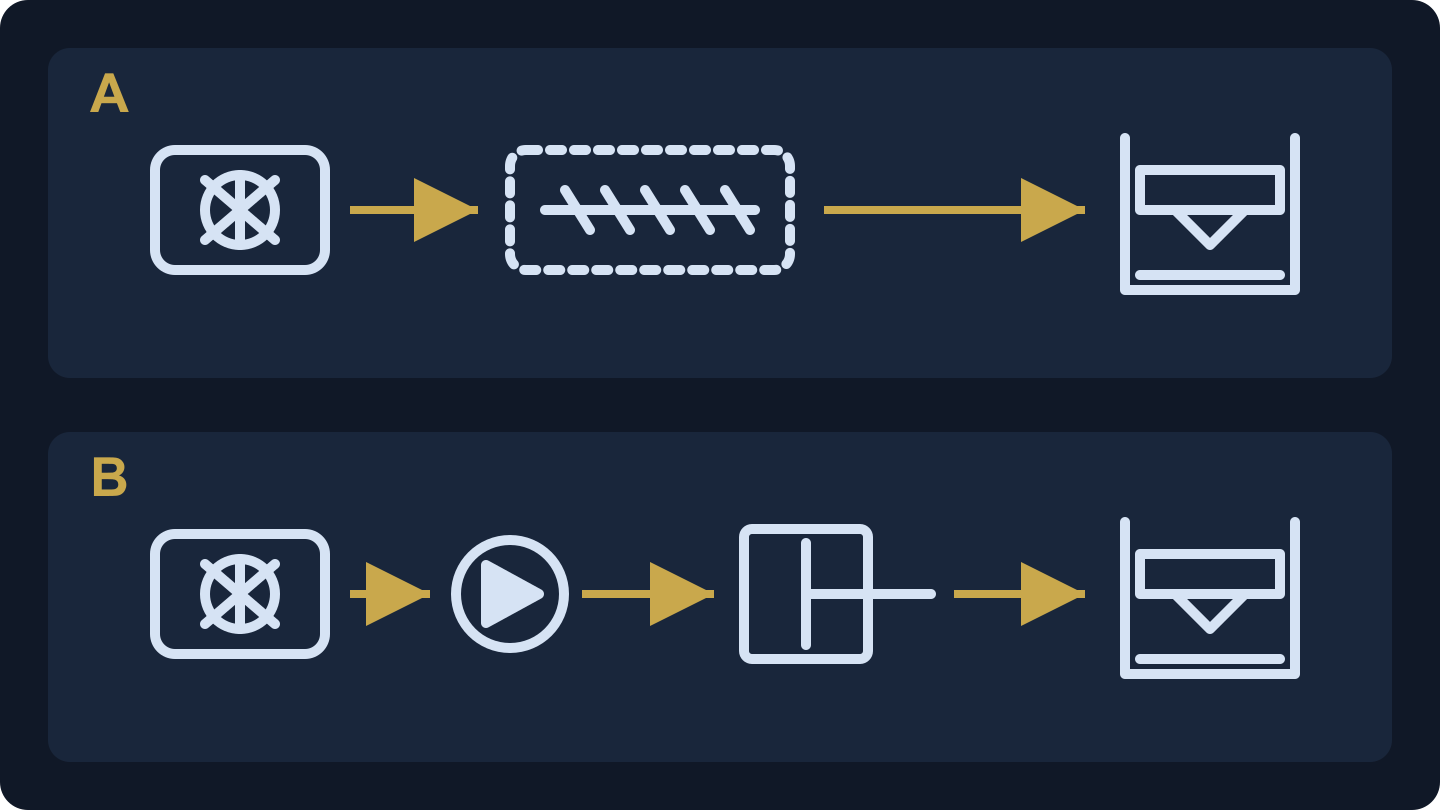
For this comparison, servo-electric describes the ram drive: an electric motor transmits bending force through a mechanical arrangement such as screws or belts and pulleys. In a servo-hydraulic machine, the motor drives a hydraulic pump and fluid pressure acts on cylinders. Both can have CNC control. Auxiliary equipment may use other technologies, so ask which part of the machine an all-electric claim describes.
Our electric versus hydraulic press brake guide explains the wider technology choice. The comparison below focuses on which manufacturers document an electric range and what distinguishes those ranges.
Electric press brake manufacturers and their published ranges
| Manufacturer | Published family | Documented ram drive | Distinction to check |
|---|---|---|---|
| SafanDarley | E-Brake | Full electric; the 300T Dual Drive uses a double pulley system | Premium, Ultra and Dual Drive are different configurations |
| Prima Power | eP / eP Genius | Servo-electric; pulley-belt transmission described in the eP range literature | eP Genius adds automatic tool storage and changing |
| LVD | Dyna-Press / Dyna-Press Pro | Servomotors transmit force through two ball screws | Backgauge axes and laser measurement options differ by model |
| AMADA | EG / EG-6013AR | Dual Servo Press or Dual Servo Power drive | The EG-6013AR is a robotic cell; the regional EG range is separate |
| Cincinnati Incorporated | GOFORM | Planetary roller screw electric drive | Compact machine with a published six-axis backgauge |
The rows are a reference list, not a performance ranking. Capacity, working length, tooling and regional options must be compared at model level. A drive category does not by itself establish bend accuracy, cycle time or suitability for a particular component.
What distinguishes these five manufacturers' electric ranges?
SafanDarley: E-Brake configurations and higher-force electric bending
SafanDarley separates its electric E-Brake products from its hydraulic range. Its 300T Ultra Dual Drive reference specifies a double pulley mechanism driven by servo motors. This is useful evidence that electric bending is not confined to compact machines. The same page lists a 3000 kN model, but that model's specifications should not be transferred to smaller E-Brake versions. SafanDarley product reference.
Prima Power: eP bending with a separate tool-changing option
Prima Power identifies eP as its servo-electric press brake range and describes the pulley-belt mechanism in its range literature. eP Genius combines electric bending with automatic tool storage and changing. That distinction matters when comparing setup-heavy work: a standard press brake and a tool-changing system offer different functions even when both are called servo-electric. eP series, drive description and eP Genius.
LVD: Dyna-Press and model-specific Pro options
LVD describes Dyna-Press as an electric-drive machine using two heavy-duty ball screws. The published range includes standard and Pro versions, with different backgauge arrangements and optional angle measurement. A model-level comparison is more informative than treating every Dyna-Press as the same small electric press brake. The example below shows why. LVD technical data.
AMADA: EG machines and the EG-6013AR robotic cell
AMADA's Japanese EG reference describes separate servo motors for bending and rapid movement. Its European EG-6013AR page documents a fully electric press brake combined with a dedicated robot, tool changer and gripper changer. These are distinct machine and cell descriptions, with regional scope. Do not read the robotic cell's automation equipment as standard on every EG machine. Japanese EG reference and European EG AR reference.
Cincinnati Incorporated: GOFORM's roller screw arrangement
Cincinnati identifies GOFORM as an electric press brake using planetary roller screws. Its product page describes a compact layout, an adjustable working position and a six-axis backgauge. The roller screw mechanism distinguishes it from the ball-screw and pulley examples above; the mechanism alone is not evidence that one manufacturer's machine is universally more accurate or productive. Cincinnati GOFORM reference.
Model comparison: the same force and length can hide different capability
LVD's published specifications give both Dyna-Press 40/15 and 40/15 Pro a pressing force of 400 kN and a working length of 1530 mm. Their backgauges differ: the standard machine lists X, R, Z1 and Z2; the Pro lists X1, X2, R, Z1 and Z2. The Pro also lists Easy-Form Laser and preparation for robot integration as options. Equal force and bed length therefore do not mean equal gauging or automation scope.
This is a catalogue comparison, not a trial of either machine. Match the gauging arrangement to the part's reference edges and bending sequence, and confirm the selected options. Do not infer the finished angle tolerance or full-cell throughput from an axis count.
How to compare servo-electric manufacturers fairly
- Identify the actual drive and series. Record the model, market and document date. Separate the ram drive from clamps, supports and other auxiliary equipment.
- Match the part envelope. Compare working length, stroke, opening, throat and tooling clearance against the same part drawings and bending sequence.
- Compare the supplied functions. Record backgauge axes, angle measurement, offline programming and robot or tool-changing equipment as included, optional or unconfirmed.
- Use a common measurement basis. Compare complete part cycles, setup time and measured energy for the same material, tooling and production pattern. A motor rating in kW is not energy consumed per part.
- Identify the service organization. Confirm who supports the named series in the destination country and which drive components require scheduled maintenance. A manufacturer's global presence does not establish local response time.
The press brake acceptance-test checklist provides a separate framework for recording a machine trial. Manufacturer catalogue statements and measured results should remain distinguishable.
Electric press brake manufacturer questions
Does a servo motor mean the press brake is all-electric?
No. A servo motor can drive a hydraulic pump. Confirm how force reaches the ram: a mechanical transmission or hydraulic cylinders. CNC refers to control and does not identify the force-transmission system.
Are electric press brakes limited to small-capacity machines?
No. Compact machines are common, but SafanDarley documents an E-Brake 300T Dual Drive with a 3000 kN model. Use the named model's force, length and tooling limits; an electric label alone does not define the capacity range.
Is automatic tool changing or robot integration included?
It depends on the series and configuration. Prima Power eP Genius includes a tool-storage and changing concept; AMADA EG-6013AR is a robotic cell; LVD lists robot preparation as an option on Dyna-Press Pro. These functions should not be assumed for every electric press brake.
Does an electric ram drive eliminate maintenance?
No. Screws, belts, bearings, guides, tooling and protective systems still have inspection or maintenance requirements. Follow the manual for the actual model and its auxiliaries; the absence of a hydraulic ram drive is not a maintenance-free specification.