
Aluminum press brake bending needs lower tonnage than steel, but it is less forgiving about bend radius, grain direction, cracking and springback. For most 3003 and 5052 sheet parts, air bending on a CNC hydraulic press brake works well when the inside radius is not too tight, the bend line is planned across the grain when possible, and the first piece is measured before production. For 6061-T6, use a larger radius or consider annealed material because tight bends can crack.
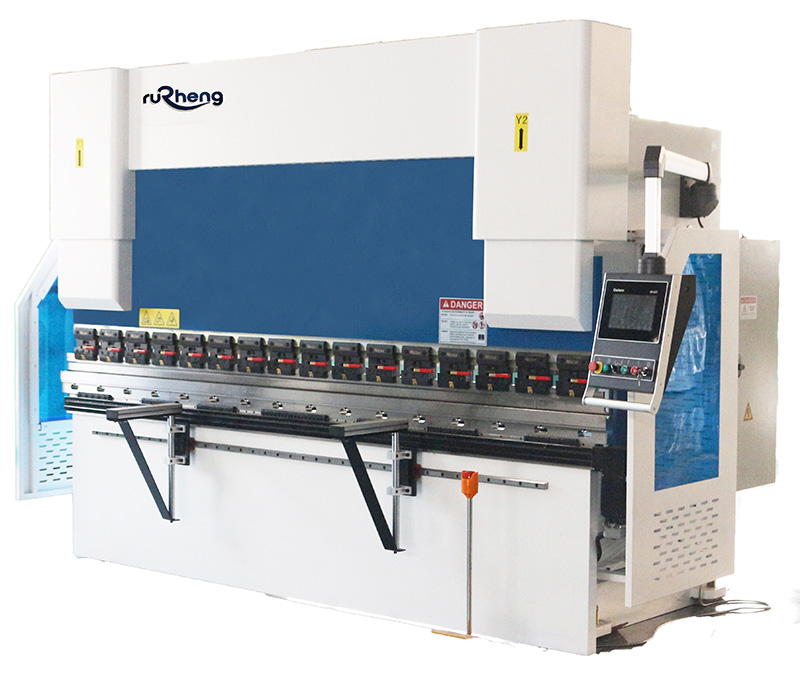
What Is Aluminum Press Brake Bending?
Aluminum press brake bending is the process of forming aluminum sheet or plate between an upper punch and a lower die to make brackets, covers, electrical cabinets, HVAC panels, machine guards, battery trays, transport parts and architectural components. The press brake bends the sheet along a controlled line while the back gauge positions each flange.
Aluminum is lighter and usually easier to form than steel, but it has its own process risks. Some grades crack when bent too sharply, springback can change from batch to batch, and soft surfaces mark easily. A good aluminum bending process connects material grade, temper, bend radius, V-die opening, tooling condition and surface protection before the first production run.
Quick Answer: How Should You Bend Aluminum on a Press Brake?
Start by confirming the aluminum alloy and temper, not only the sheet thickness. 3003 and 5052 sheet are common for formed panels and cabinets because they bend well. 6061-T6 is stronger but can crack if the inside radius is too small. Check the drawing for visible face, grain direction, inside radius, flange length and tolerance before choosing the die.
For many aluminum sheet jobs, use air bending with a V-die opening around 6-10 times material thickness, then verify the result with a test bend. Use clean tooling, a suitable punch radius, protective film or mark-free tooling for cosmetic parts, and record springback correction in the CNC controller. If the part has short flanges or tight radii, confirm tonnage and minimum flange length before quoting.
Why Aluminum Bends Differently from Steel
Compared with mild steel, aluminum usually needs less forming force, but it can be more sensitive to cracking, surface marks and springback control. The alloy and temper matter. A soft 3003-H14 part, a 5052-H32 enclosure and a 6061-T6 structural bracket may all require different bend radii and different first-piece corrections even at the same thickness.
The practical rule is simple: do not treat aluminum as just a lighter steel. Check the material certificate, avoid overly sharp inside radii on hard tempers, keep the visible surface protected, and test the first piece before running a batch.
| Aluminum Factor | Effect on Bending | Typical Shop Issue | Practical Response |
|---|---|---|---|
| Lower forming force | Needs less tonnage than mild steel at the same thickness | Operators underestimate cracking because force feels easy | Still check radius, grain direction and tooling before production |
| Alloy and temper sensitivity | Some tempers form well while hard tempers crack on tight bends | 6061-T6 brackets crack at the outside radius | Use larger radius, bend across grain or select a more formable temper |
| Springback | Final angle opens after the punch releases | A programmed 90-degree bend finishes open | Measure first piece and save angle correction by alloy and thickness |
| Soft surface | Aluminum scratches and picks up die marks easily | Visible panels show lines after bending | Use clean tools, protective film, urethane or mark-free tooling |
Common Aluminum Grades for Press Brake Work
The best press brake setup depends on the grade. If the buyer only says aluminum sheet, ask for the alloy and temper before confirming the bend radius and quotation.
| Grade / Temper | Typical Use | Bending Behavior | Press Brake Note |
|---|---|---|---|
| 3003-H14 | Covers, HVAC panels, light cabinets | Good formability for common sheet bends | Good choice when appearance and easy forming matter |
| 5052-H32 | Enclosures, marine parts, transport panels | Good strength and corrosion resistance with solid bendability | Common choice for formed aluminum sheet metal parts |
| 6061-T6 | Structural brackets, frames, machined parts | Strong but more crack-sensitive on tight bends | Use larger radius or review temper before tight bends |
| Aluminum tread plate | Steps, covers, flooring and guards | Pattern affects marking and bend appearance | Protect the visible pattern and test the first bend |
Bend Radius, V-Die Opening and Grain Direction
The inside bend radius is one of the most important aluminum bending decisions. Tight radii can crack the outside surface, especially on hard tempers and bends parallel to the grain. Larger radii reduce cracking risk but change the flat pattern, flange dimensions and part appearance.
For air bending, many shops start with a V-die opening around 6-10 times material thickness, then adjust based on alloy, radius, flange length and tonnage. A larger V opening reduces tonnage and marking but increases the minimum flange length. A smaller V opening supports shorter flanges but increases local strain and marking risk. If the drawing needs a smooth large radius instead of a normal air-bent corner, review the CNC bending machine arc mold before quoting the tooling.
Grain direction also matters. When possible, place critical bend lines across the grain instead of parallel to the rolling direction. This is especially useful for 6061 parts, tight radii, cosmetic panels and parts that will see vibration or fatigue.
Springback Control for Aluminum Bending
Aluminum springback is usually handled by overbending, CNC angle correction and shop data. Do not assume the same correction for 3003, 5052 and 6061. Thickness tolerance, batch variation, punch radius and die opening all change the final angle.
A practical workflow is to program the first bend, measure the actual angle, correct the angle in the controller, and record the correction under the material and tooling combination. If the shop uses Delem, Cybelec or ESA controllers, store common aluminum setups in the material and tool library so repeat orders start closer to the target angle.
Tooling and Surface Protection for Aluminum
Aluminum can pick up scratches, die shoulder lines and embedded dirt quickly. Before bending visible parts, clean the punch, die, front support arms and work table. If the visible face is protected by film, test whether the film wrinkles or tears in the bend area.
Use a punch radius that supports the specified inside radius. For cosmetic parts, consider urethane pads, mark-free dies, polished tooling or protective film. For box parts and return flanges, use segmented tools, gooseneck punches and enough daylight so the part can be removed without dragging across the tooling.

Best Press Brake Configuration for Aluminum Parts
A basic hydraulic press brake can bend many aluminum parts, but CNC control becomes valuable when the factory handles mixed alloys, cosmetic panels, short runs and repeat orders. Aluminum does not always need high tonnage, but it does need consistent positioning, clean tooling and repeatable angle correction.
| Production Scenario | Recommended Setup | Why It Helps | Watch Point |
|---|---|---|---|
| Simple aluminum brackets | NC or CNC hydraulic press brake | Moderate bending force and simple positioning | Check alloy and minimum radius before tight bends |
| Electrical cabinets and covers | CNC press brake with clean tooling and back gauge | Improves repeatability across many flanges | Protect visible faces from die marks |
| Architectural panels | CNC press brake with support arms and mark-free tooling | Protects appearance and long panels | Plan handling before bending starts |
| High-mix aluminum production | Y1/Y2 CNC, tool library, X/R/Z back gauge | Stores correction data and reduces setup time | Standardize material names and tooling records |
Step-by-Step Aluminum Bending Workflow
- Confirm material: identify alloy, temper, thickness, grain direction and surface finish.
- Review the drawing: check inside radius, visible side, flange length, tolerance and hole-to-bend distances.
- Select tooling: choose punch radius, V-die opening, tool height and clearance for the full bend sequence.
- Plan surface protection: decide whether to use film, urethane, mark-free tooling or soft separators.
- Check tonnage and flange limits: aluminum uses less force, but short flanges and tight radii still need verification.
- Run a first-piece test: measure angle, flange, radius, cracks, marks and springback before batch production.
- Record the setup: save angle correction, tool choice, grain direction notes and material batch data.
Buyer Checklist: Ordering a Press Brake for Aluminum Parts
- Which aluminum alloys and tempers will you bend: 3003, 5052, 6061 or tread plate?
- What is the regular thickness range and longest bend length?
- Are parts cosmetic, painted, anodized, hidden inside assemblies or structural?
- Do you need mark-free tooling, urethane dies, support arms or sheet followers?
- Does the controller support material libraries and angle correction records?
- Will operators bend boxes, return flanges or deep channels that need more daylight?
- Can the supplier calculate minimum flange length and bend radius from your drawings?
- Do you also need laser cutting, shearing or punching before bending?
Useful Technical References
For general process context, review references on press brakes, metal bending and springback compensation. These explain the forming process, tooling and elastic recovery that affect aluminum bending.
For Rucheng selection topics, pair this guide with our bend allowance and K-factor guide, press brake tooling guide, tonnage calculation guide and electro-hydraulic CNC press brake page.
Common Aluminum Bending Mistakes
- Quoting aluminum parts without confirming alloy and temper.
- Using a sharp punch radius on 6061-T6 and expecting it to bend like 5052.
- Ignoring grain direction on tight bends or cosmetic panels.
- Letting aluminum slide across dirty dies, support arms or work tables.
- Running a batch before measuring springback and saving the correction.
Aluminum Press Brake Bending FAQ
Can a press brake bend aluminum?
Yes. A press brake can bend aluminum sheet and plate when the alloy, temper, inside radius, V-die opening and springback correction are matched correctly. 3003 and 5052 sheet are common bending materials, while 6061-T6 needs more radius care.
Does aluminum need less tonnage than steel?
Yes. Aluminum usually needs less bending force than mild steel at the same thickness and die opening. However, lower tonnage does not remove the need to check cracking, minimum bend radius, flange length and surface marking.
What aluminum grade is best for bending?
3003 and 5052 are commonly used when good bendability is important. 6061-T6 is stronger but more crack-sensitive, so it often needs a larger inside radius or a different temper for tight bends.
What V-die opening should I use for aluminum?
A common starting range for air bending aluminum sheet is about 6-10 times material thickness. The final die opening should be chosen from the drawing radius, alloy, temper, flange length, surface requirement and tonnage.
How do you prevent cracking when bending aluminum?
Prevent cracking by using a suitable inside radius, bending across the grain when possible, avoiding hard tempers for tight bends, using clean tooling and testing the first piece before production.
How do you avoid marks on aluminum during press brake bending?
Clean the punch and die, protect the visible face, use film or urethane when suitable, avoid sliding the sheet across rough surfaces and separate finished parts with soft spacers.
Conclusion: Aluminum Bending Is a Material-Specific Setup
Aluminum press brake bending is usually not difficult because of tonnage. The real control points are alloy, temper, bend radius, grain direction, springback and surface protection. A repeatable process starts with material confirmation and ends with saved correction data from the first piece.
If your factory bends aluminum cabinets, covers, battery boxes, HVAC panels, transport parts, architectural panels or structural brackets, send Rucheng your drawings, alloy, thickness range, bend length and surface requirements. Our engineers can recommend the press brake, tooling and cutting-to-bending workflow for your aluminum parts.
Request an Aluminum Press Brake RecommendationPress brake selection and production resources
Compare the full Rucheng press brake machine range before choosing tonnage, working length, controller, tooling and automation options.
- Electro-hydraulic CNC press brake for high-mix precision bending.
- Bend allowance and K-factor, tooling selection and tonnage calculation help confirm the final setup.
- For blank preparation before bending, compare fiber laser cutting machines and plan the cutting-to-bending workflow together.